Fractal Drawing for Older Adults
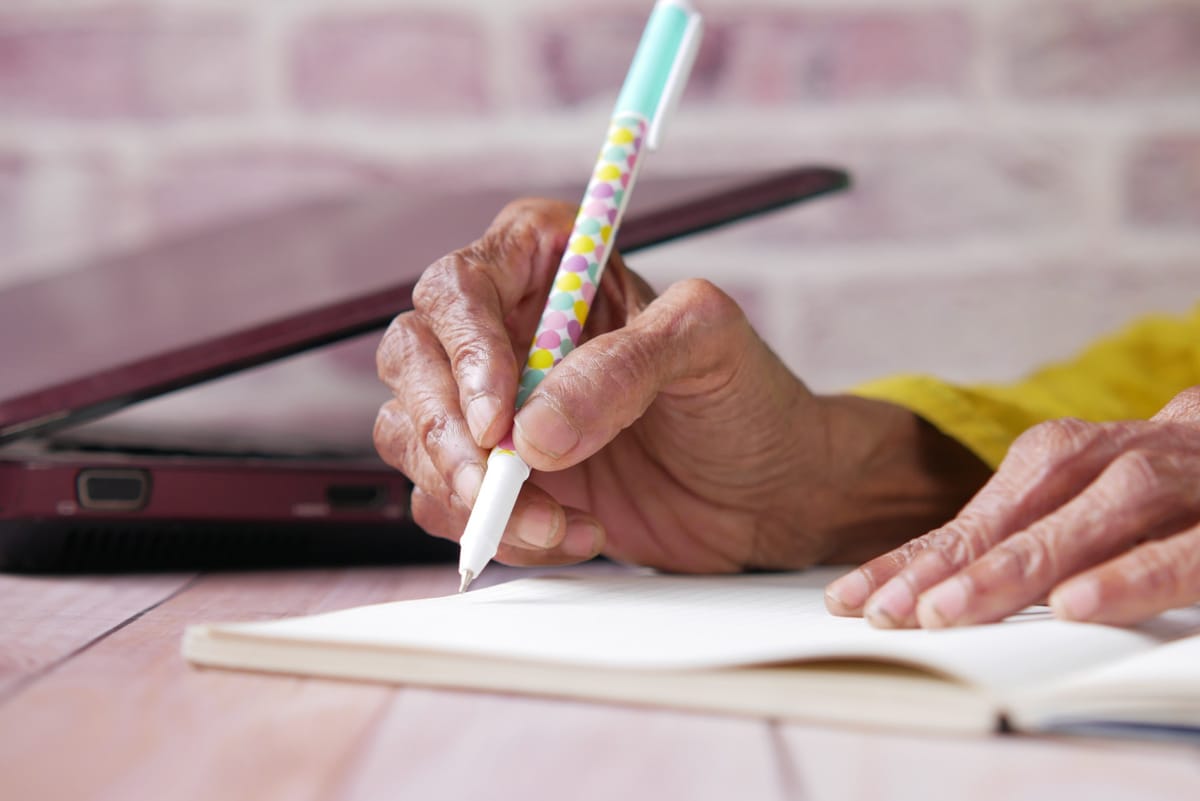
Fractal Drawing can be particularly meaningful for older people because it does not ask anyone to hurry. In everyday life, older adults are often surrounded by activities that measure something, like how quickly they respond, how steadily they move or how much they remember. A drawing session can feel very different when it is approached with respect, clear guidance and plenty of time.
During my specialist training in Fractal Drawing for older people, including those living with dementia, I became especially aware that the aim is not to produce a ‘correct’ picture or test what someone can remember. Instead, the process meets each person where they are on that particular day.
A line is created, colours are chosen and the picture develops one space at a time. Some people work confidently, some pause often and others change their minds along the way, but here pace is not a problem to solve, it is part of the experience.
This does not mean treating Fractal Drawing as a childish pastime or simply handing over pencils to keep someone occupied. The method has a clear structure, but it can also hold very human experiences like choosing, noticing, responding and becoming involved in something that gradually feels like your own.
When words are difficult or attention moves in and out, colour and line can still offer a way to participate in the present moment. The finished drawing may be kept, shared or simply enjoyed, but it does not need to prove anything.
Fractal Drawing is not a medical treatment, and it cannot diagnose or promise changes in dementia. What it can offer is a carefully guided creative space in which the person is not reduced to their age, memory or difficulties.
Sometimes the most respectful invitation is a simple one - here is your page, here are your colours, and there is no need to hurry.